Colonoscopy – how to prepare?
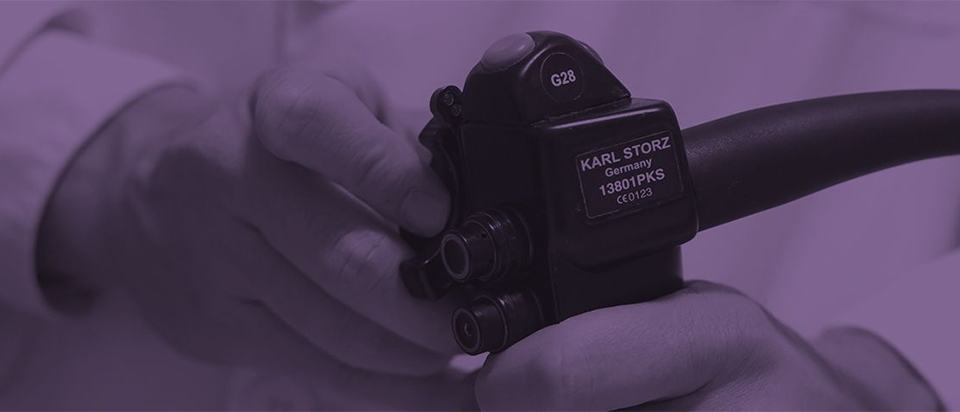

Colonoscopy is an examination in which we visually inspect the intestinal mucosa using a device that has a light source and a camera, and it helps us visualize the large intestine – a colonoscope.
How to prepare for a colonoscopy?
The examination will not be successful unless the patient prepares properly!
A few days before the examination, it is necessary to reduce the intake of solid and hard-to-digest food, increase the intake of soft foods, and drink plenty of fluids.
Proper preparation (which you receive when booking) stimulates the bowel to empty, aided by proper nutrition, physical activity, abundant hydration, and laxatives. Only liquids are consumed 24 hours before the examination.
What does the examination look like?
The examination begins by passing the colonoscope through the end part of the large intestine (anus) and it is advanced to the beginning of the large intestine (cecum).
During the examination, the patient lies on the left side, but if necessary, may turn to the other side as well in order to find the proper position of the bowel.
Did you know that around 90% of all tumors of the large intestine begin precisely from polyps? Colon cancer ranks in a high second place in incidence in both sexes, and it is one of the rare cancers that we can prevent through screening. Most polyps can be removed using a simple method, thereby avoiding complicated surgical procedures.
Who is a candidate for colonoscopy?
- people with a positive fecal occult blood test
- people with anemia
- people who have long-term abdominal pain
- people who notice a change in bowel movement rhythm,
- people who notice blood in the stool
Who are people at average risk of colon cancer?
- People at average risk should begin regular examinations at the age of 45.
- People aged 76 to 85 will individually decide with their doctor whether to continue regular screening. The doctor’s decision is based on personal preferences and previous screening results.
- People older than 85 do not need to be screened regularly.
Who are people at increased risk of colon cancer?
- People at increased risk of colorectal cancer will need to start screenings before the age of 45.
- People at increased risk are those who have:
- a family history of colorectal cancer or certain types of polyps
- a personal history of colon cancer or certain types of polyps
- a personal history of inflammatory bowel disease (ulcerative colitis or Crohn’s disease)
- a family history of a hereditary syndrome such as familial adenomatous polyposis (FAP) or Lynch syndrome
- a history of radiation to the abdomen or pelvis for the treatment of previous cancer
- People who know they are at increased risk of colon cancer should consult their doctor.
How long does a colonoscopy last?
A colonoscopy most often takes about 15 to 45 minutes.
When should we have our first colonoscopy?
All adults who are 45 years old should begin going for preventive examinations.
If there is colon cancer in your immediate family history, we advise having your first colonoscopy ten years earlier.
How often should we repeat a colonoscopy?
If the colonoscopy finding is normal, we repeat it in five to ten years, and if you have an increased risk, more regular examinations are recommended. If a polyp removal procedure is needed, then follow-up is required in one year.
When will I get the colonoscopy results?
The doctor will write the report immediately after your examination and explain it to you verbally and in writing.
Many patients still have a fear of colonoscopy, but technological progress has enabled it to be a completely painless examination today.
Another obstacle that prevents us from undergoing this examination is discomfort, or shame because of the region where the examination is performed. We must know that the health of the large intestine affects the health of our entire body.
By changing the way we think and creating a different attitude toward colonoscopy, we protect our health. If this examination is performed regularly (every 5-10 years for people older than 45), it may be the one that saves our life!
You can book a colonoscopy via the contact form or by calling the phone number 01 2321 970 .
Excerpt from the price list:
| Specijalitički pregled gastroeneterologa | 85.00 € |
| Kontrolni specijalistički pregled | 65.00 € |
| Gastroskopija | 150.00 € |
| Sedacija | 80.00 € |
| Helicobacter Pylori test | 40.00 € |
| Gastroskopija sa sedacijom | 300.00 € |
| Gastroskopija sa biopsijom | 230.00 € |
| Rektoskopija | 120.00 € |
| Kolonoskopija | 250.00 € |
| Kolonoskopija sa sedacijom | 320.00 € |
| Kolonoskopija sa biopsijom | 280.00 € |
| Uzimanje uzoraka za analizu (biopsija) | 90.00 € |
| MSCT virtualna kolonoskopija | 250.00 € |
| Irigografija | 150.00 € |
| Polipeptomija biopsija | 300.00 € |
| MR enterografija | 300.00 € |
| MRCP ( kolangiopankretografija ) | 270.00 € |
| MR abdomena s kontrastom | 310.00 € |
| UZV abdomena | 75.00 € |
| UZV abdomena+ elastografija | 100.00 € |