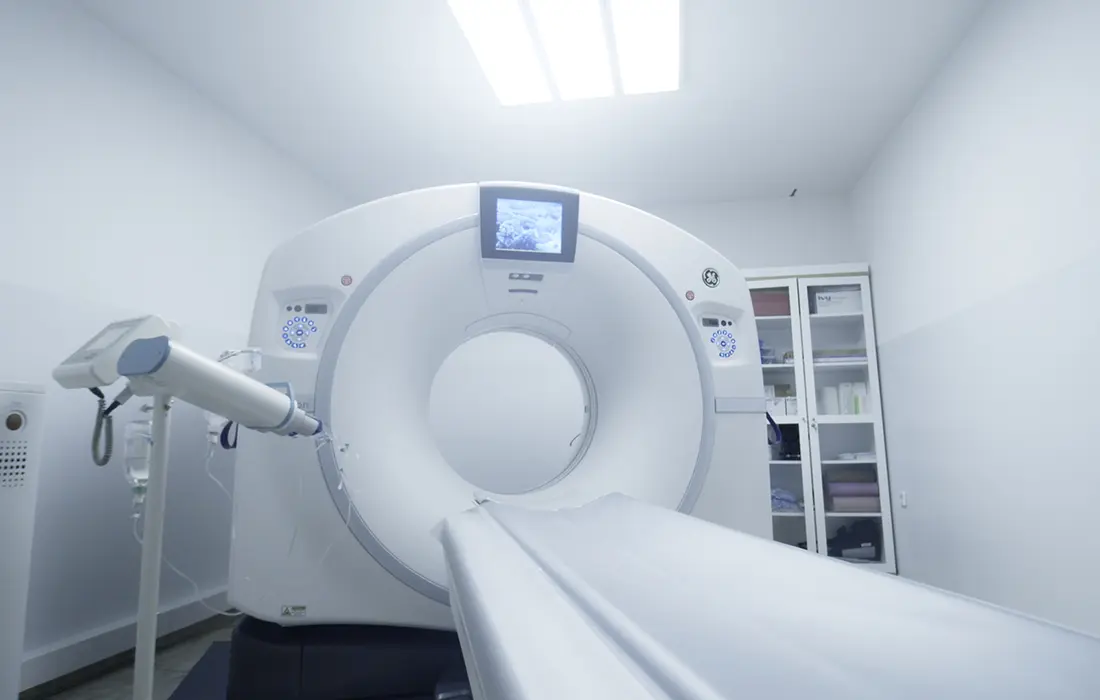
Colon cancer
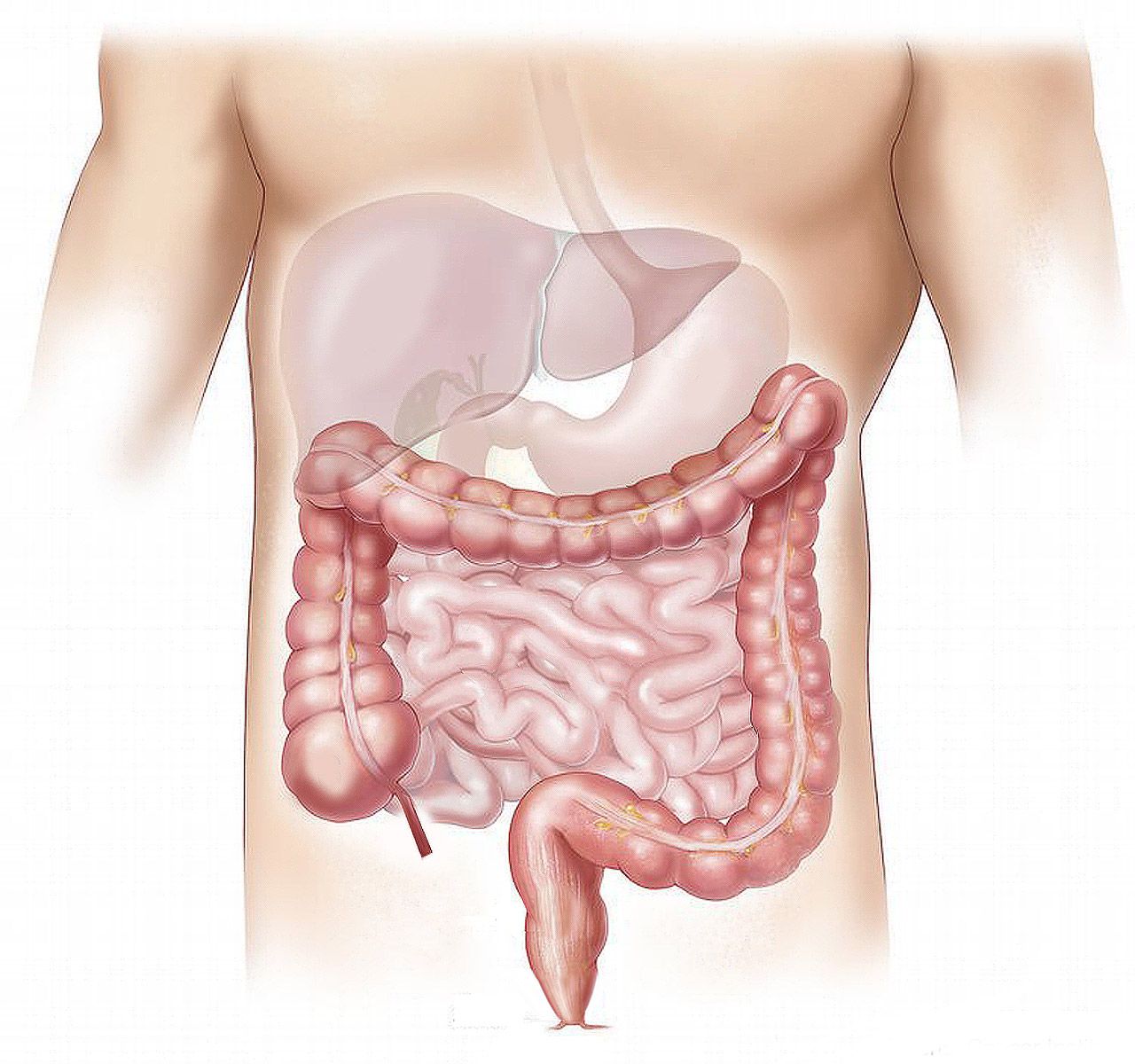

Colorectal cancer is one of the most common malignant tumors (carcinomas) in the world, while in Croatia it represents the second most common cause of mortality from malignant diseases. All persons over the age of 50 carry a 5% risk of developing colorectal cancer by the age of 75. Every year, more than 1,200,000 people worldwide are diagnosed with colorectal cancer, while more than half of those affected die.
Cause of colon cancer development
The exact cause of its development is not known, but there are several risk factors associated with the development of this cancer. The risk of developing the disease includes genetic predisposition as well as a number of external factors, along with lifestyle, which together participate in the process of cancer development.
Other diseases
People previously diagnosed with a polyp or with a family history of colon polyps, inflammatory bowel disease (ulcerative colitis or Crohn’s disease), pancreatic, breast, and ovarian cancer have a higher risk of developing the disease.
Heredity
At-risk individuals are those whose family history of the disease includes cases of colon cancer. This includes familial adenomatous polyposis (FAP) or hereditary non-polyposis colon cancer (HNPCC). Other problems and conditions related to the colon also increase the risk of developing cancer (precancerous polyps, ulcerative colitis, Crohn’s disease, type 2 diabetes).
Diet
A diet dominated by refined carbohydrates, red meat, and cured meat products, as well as factors such as pesticides, artificial colorings, and preservatives, all contribute to the process of cancer development. Meat processing is very important, because proteins and fats cooked at high temperatures can produce carcinogenic substances. In less developed countries of the world, this form of cancer is very rare, which confirms the fact that lifestyle, diet, and the environment of more developed countries favor the development of colon cancer. A healthy diet rich in fruits and vegetables reduces the risk of developing colorectal cancer.
First symptoms
In the early stages, this cancer has no specific symptoms or they are minimal. Warning signs appear gradually, in accordance with the development and progression of the disease.
Warning signs:
- changes in bowel movements, frequent constipation and diarrhea, a feeling that the bowels are not completely emptied, and rectal bleeding
- dark stool or blood in the stool
- a change in stool caliber (stool that is thinner than usual)
- frequent abdominal pain accompanied by bloating
- the appearance of jaundice
- abdominal pain (may occur due to tumor growth in the intestines)
- fatigue (shortness of breath and weakness)
- loss of appetite and weight loss
You should visit a doctor in case of:
- unusual changes in bowel habits and the appearance of blood in the stool
- frequent abdominal pain and in case of sudden weight loss and weakness
- if you have been diagnosed with anemia (then the doctor should rule out bleeding from the digestive tract)
Symptoms of colon cancer can very easily be confused with other conditions and are quite vague. Therefore, it is very important to undergo colonoscopy, flexible sigmoidoscopy, and occult bleeding testing, especially if you are in a high-risk group.
Prevention
Maintain a healthy body weight
Apart from smoking, nothing increases the risk of cancer more than excess weight. At least 11 different cancers are associated with weight gain and obesity, including colon cancer.
Quit smoking
Quitting smoking is the best thing you can do for your health. Besides increasing the risk of diseases such as stroke, heart attack, and emphysema, smoking is the main cause of at least 14 different cancers, including colon cancer.
Stay active
Regular activity reduces the risk of many serious diseases, including colon cancer. Be physically active for at least 30 minutes a day. Choose activities you will enjoy, such as brisk walking, cycling, dancing, or gardening. It has been scientifically proven that walking for 30 minutes every day lowers the risk of developing colon cancer.
Limit your intake of red meat
A diet that contains too much red meat, such as steak, hamburgers, and pork, increases the risk of colon cancer. Also, processed meat, such as bacon and sausages, increases the risk of developing the disease. Try to reduce the intake of these foods in your daily diet.
Get enough calcium and vitamin D
Vitamin D helps protect against cancer, say researchers who analyzed the results of 18 studies involving more than 10,000 participants. The analysis found that the risk of developing cancer was 33 percent lower in people who had high levels of vitamin D. Also, try to consume 1000 to 1200 milligrams of calcium daily.
Regular check-ups
As one of the best ways to prevent colon cancer, regular check-ups are recommended for all people over the age of 50.
If you have noticed any of the above symptoms, feel free to contact us and schedule an examination! If colon cancer is detected earlier and treatment starts immediately, it can be successfully cured.
With us, you can undergo:
Excerpt from the price list:
| Specijalitički pregled gastroeneterologa | 85.00 € |
| Kontrolni specijalistički pregled | 65.00 € |
| Gastroskopija | 150.00 € |
| Sedacija | 80.00 € |
| Helicobacter Pylori test | 40.00 € |
| Gastroskopija sa sedacijom | 300.00 € |
| Gastroskopija sa biopsijom | 230.00 € |
| Rektoskopija | 120.00 € |
| Kolonoskopija | 250.00 € |
| Kolonoskopija sa sedacijom | 320.00 € |
| Kolonoskopija sa biopsijom | 280.00 € |
| Uzimanje uzoraka za analizu (biopsija) | 90.00 € |
| MSCT virtualna kolonoskopija | 250.00 € |
| Irigografija | 150.00 € |
| Polipeptomija biopsija | 300.00 € |
| MR enterografija | 300.00 € |
| MRCP ( kolangiopankretografija ) | 270.00 € |
| MR abdomena s kontrastom | 310.00 € |
| UZV abdomena | 75.00 € |
| UZV abdomena+ elastografija | 100.00 € |