Knee pain

The knee joint is one of the largest and most important joints in our body. Its role in standing, walking, or running reminds us of the importance of the health of its structure, so that pain and the impairment of everyday movement do not occur.
The knee joint is one of the largest and most important joints in our body. Its role in standing, walking, or running reminds us of the importance of the health of its structure, so that pain and the impairment of everyday movement do not occur.
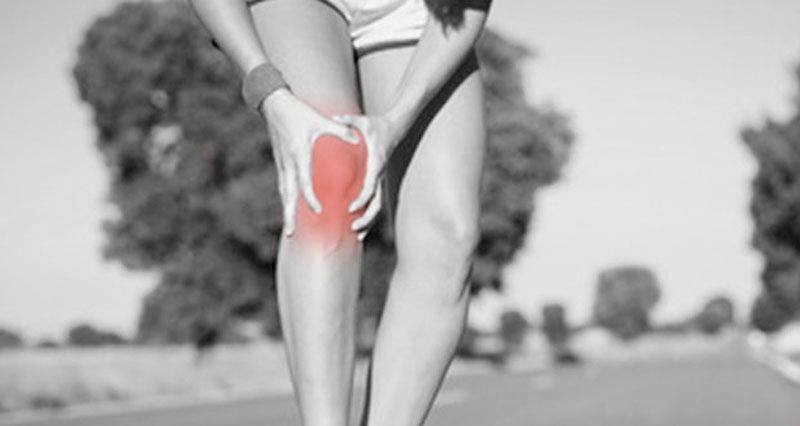
Knee pain is a common occurrence that affects people of all age groups. It can be the result of an injury, such as a torn ligament or damaged cartilage, medical conditions, including arthritis, gout, infections, or excess body weight.
Many types of minor knee pain can be treated at home. Physical therapy and surgical procedures are used in cases of more severe knee pain.
Symptoms of knee pain
The location and severity of knee pain can vary, depending on the cause of the problem. Signs and symptoms that sometimes accompany knee pain include:
• Swelling and stiffness of the joint
• Redness and warmth to the touch
• Weakness or instability
• Grinding of the joint
• Inability to straighten the knee
Causes – knee pain
There are many different causes of knee pain. It is very important to determine the correct diagnosis of the cause of the symptoms so that adequate therapy can be applied.
Performing office work, prolonged sitting and keeping the legs in poor positions, excess body weight, sports strain, and excessive knee rotations are the most common factors that affect the occurrence of knee pain.
Knee pain can also occur as a result of injury to the joint structures (ligaments, meniscus, or cartilage), which often remain unnoticed and are not treated in time, worsening health by spreading consequences to surrounding structures.
If your knee pain does not go away, some of the possible causes are:
• Arthritis
• Bursitis (inflammation of the bursa)
• Meniscus tear
• Tendinitis (inflammation of muscle tendons)
• Anterior cruciate ligament tear
• Patellar chondromalacia
• Baker’s cyst
• Iliotibial syndrome
• Gout
See a doctor if:
• You cannot shift weight onto the painful knee or feel as if the knee is unstable
• You notice pronounced swelling of the knee
• You cannot fully straighten or bend the knee
• You see an obvious deformity of the joint
• You have a fever, redness, pain, or swelling in the knee or surrounding area
Diagnosis and treatment: knee pain
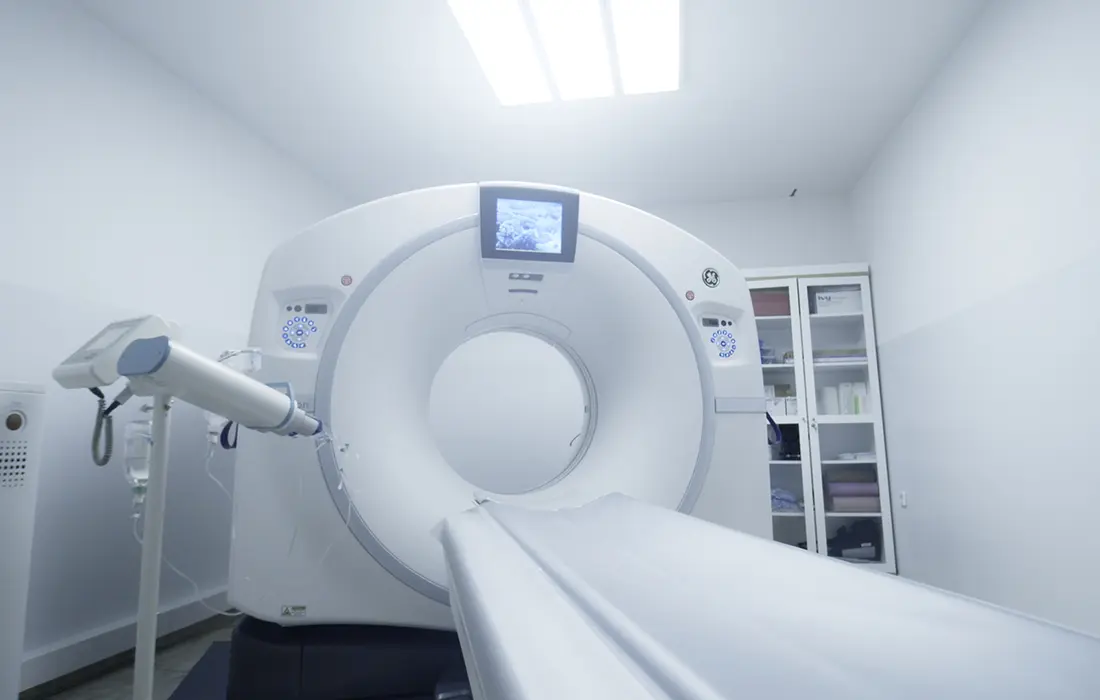
The diagnosis is made through examination and with the help of magnetic resonance imaging (MRI) of the knee, which is a non-invasive examination for collecting data about the structure of the knee joint. After determining the type and extent of the injury, a decision follows regarding further treatment.
Most grade 1 injuries and milder grade 2 injuries can initially be treated with the RICE procedure (rest–rest, ice–ice, compression–compression, elevation–elevation of the extremity) and immobilization of the knee in 20° flexion, using a commercially available or custom-made splint. In more severe grade 3 injuries, and severe grade 2 sprains, the technique of immobilization with a cast for ≥6 weeks is used. However, in the most severe injuries, an arthroscopic surgical procedure is required.
Various exercises, hydrotherapy, circulation exercises, strengthening, stretching, or cycling with a raised seat are also applied in order for knee pain to disappear. In cases of increased joint swelling, lymphatic drainage reduces the swelling, and thus the pressure and pain.
Prevention:
Although it is not always possible to prevent knee pain, here are a few suggestions that may help prevent injuries and joint pain:
• Lose excess weight – this is one of the best decisions you can make for your knees and joints. Every additional kilogram places extra strain on your joints, increasing the risk of injury and osteoarthritis.
• Stay in shape – engage in sports. At first, exercise with a trainer or a person who can show you the proper technique and exercises adapted to your health condition. Professional advice can be of great help.
• Strengthen your muscles, stay flexible – since weak muscles are one of the most common causes of knee injuries, you will benefit from proper exercises to build the muscles that support the knees. Exercising muscles can contribute to injuries, so do not forget about stretching.
• Exercise carefully – If you have osteoarthritis, chronic knee pain, or recurring injuries, you may need to change the way you exercise. Consider switching to swimming or other lower-intensity activities.
If you notice any of these symptoms, visit us so that we can properly diagnose your injury and begin treatment. Keep in mind that an old injury, which has not been properly and promptly treated, causes problems and pain. Therefore, it is important to treat every injury properly and in a timely manner. When you are in the good hands of experts, most diagnoses are successfully treated, pain weakens and disappears, and the return to everyday life is faster and more efficient.
Excerpt from the price list:
| MR abdomena | 250.00 € |
| MR abdomena I zdjelica | 450.00 € |
| MR abdomena s kontrastom | 310.00 € |
| MR artrografija | 350.00 € |
| MR dojke s kontrastom (naručiti se 5-10 dana ciklusa) | 330.00 € |
| MR enterografija | 310.00 € |
| MR fistulografija | 250.00 € |
| MR hipofize s kontrastom | 300.00 € |
| MR jednog kuka | 240.00 € |
| MR koljena | 220.00 € |
| MR kralježnica (jedan segment) | 210.00 € |
| MR kralježnica (sva 3 segmenta) | 500.00 € |
| MR mozga + TOF (angiografija) | 290.00 € |
| MR mozga bez kontrasta | 220.00 € |
| MR natkoljenice | 220.00 € |
| MR potkoljenice | 220.00 € |
| MR prostate s kontrastom | 360.00 € |
| MR prostate bez kontrasta | 300.00 € |
| MR ramena | 220.00 € |
| MR sinusa | 250.00 € |
| MR srca | 580.00 € |
| MR šake | 220.00 € |
| MR urografija | 260.00 € |
| MR urografija sa kontrastom | 330.00 € |
| MR zdjelice | 250.00 € |
| MR zgloba (npr. lakat, gležanj) | 220.00 € |
| MR SpA protokol po segmentu | 220.00 € |
| MR SpA protokol svaki dodatni segment | 100.00 € |
| MRCP | 270.00 € |
| Protokol za multiplu (MR mozga + vratne kralježnice + contrast) | 480.00 € |
| U slučaju primjene kontrasta nadoplata (ne odnosi se na pretrage gdje je već napisan kontrast) | 60.00 € |
| Određivanje bubrežne funkcije (eGFR + kreatinin) | 15.00 € |