Prostate cancer


Prostate cancer is a malignant tumor that develops in the prostate and is the most common type of cancer in men. In the early stage, there are usually no symptoms, while later symptoms occur in less than 50% of men. Nearly 90% of all prostate cancers remain clinically unnoticed for decades. Prostate cancer progresses very slowly, and men older than 65 are the most at risk.
Symptoms
Prostate cancer in its initial stages has no significant symptoms. As the malignant tissue spreads, narrowing of the urethra (urinary tube) may occur, causing problems with urination.
Most common symptoms:
- Frequent need to urinate, especially at night
- Difficulty retaining urine
- Weak urine flow or the need to strain to empty the bladder
- Painful urination
- Difficulty with erection
- Blood in the urine
- Pain in the lower back, hips, or upper thighs
The occurrence of sudden and severe bone pain lasting several weeks is characteristic of advanced prostate cancer. Chronic pain often appears in the lower back, hips, or leg bones. The pain may be accompanied by sudden weight loss.
Risk of developing prostate cancer
The risk increases with age, but this does not mean that the disease affects only older people. Men with a family history are 2 times more likely to develop the disease. It is believed that hormonal influences, toxins, chemicals, and industrial products also affect the development of the disease. Sexually transmitted infections may represent a risk factor for the development of this type of cancer. Men with a sexually transmitted disease are as much as 1.5 times more likely to develop prostate cancer.
Prostate cancer – treatment
In most cases, treatment of prostate cancer is not immediately necessary. If the cancer is in its earliest stage, regular monitoring of the patient’s condition is advised.
If detected at an early stage, prostate cancer can be cured. Treatments include surgical removal of the prostate, radiation, and hormonal therapy.
If it is detected too late, when it has already spread to other parts of the body (most often the bones), it cannot be cured. Treatment then focuses on prolonging life and alleviating symptoms.
Prevention
Effective preventive measures are not known, but early detection of prostate cancer is possible through regular check-ups. Examinations are recommended for all men over the age of 40. It is believed that smoking and a diet rich in saturated fats may increase the risk of developing this disease. According to research, obesity also leads to an increased risk of developing prostate cancer.
When diagnosed early, prostate cancer survival rates are higher than 98%. If the disease has advanced, survival rates are lower than 25%.
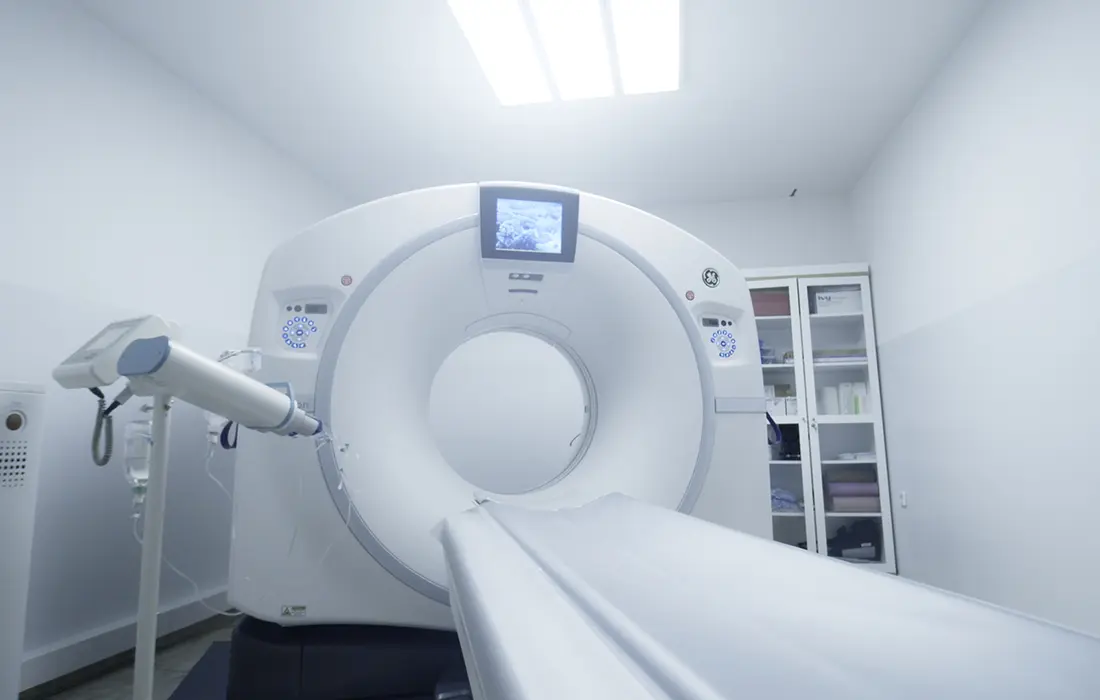
Early detection of prostate cancer is now possible through regular annual examinations of men over the age of 40. The best diagnostic method for prostate cancer is magnetic resonance imaging with a prior clinical examination as well as tumor marker findings – PSA. Confirmation of prostate cancer is, of course, done with a targeted fusion biopsy which we perform at our clinic.
When it comes to health, men often neglect it and forget regular check-ups. Take care of your health and book an appointment on time!
Excerpt from the price list:
| Urološki specijalistički pregled | 85.00 € |
| Kontrolni specijalistički pregled | 65.00 € |
| Kontrolni pregled i UZV | 85.00 € |
| UZV i pregled | 125.00 € |
| UROFLOW | 45.00 € |
| Urološki UZV | 60.00 € |
| UZV testisa | 70.00 € |
| UZV testisa i color dopler | 90.00 € |
| MSCT urotrakta po protokolu za urolitijazu | 190.00 € |
| MSCT urografija | 270.00 € |
| MR urografija | 260.00 € |
| MR urografija sa kontrastom | 330.00 € |