Kidney stones

What is nephrolithiasis?
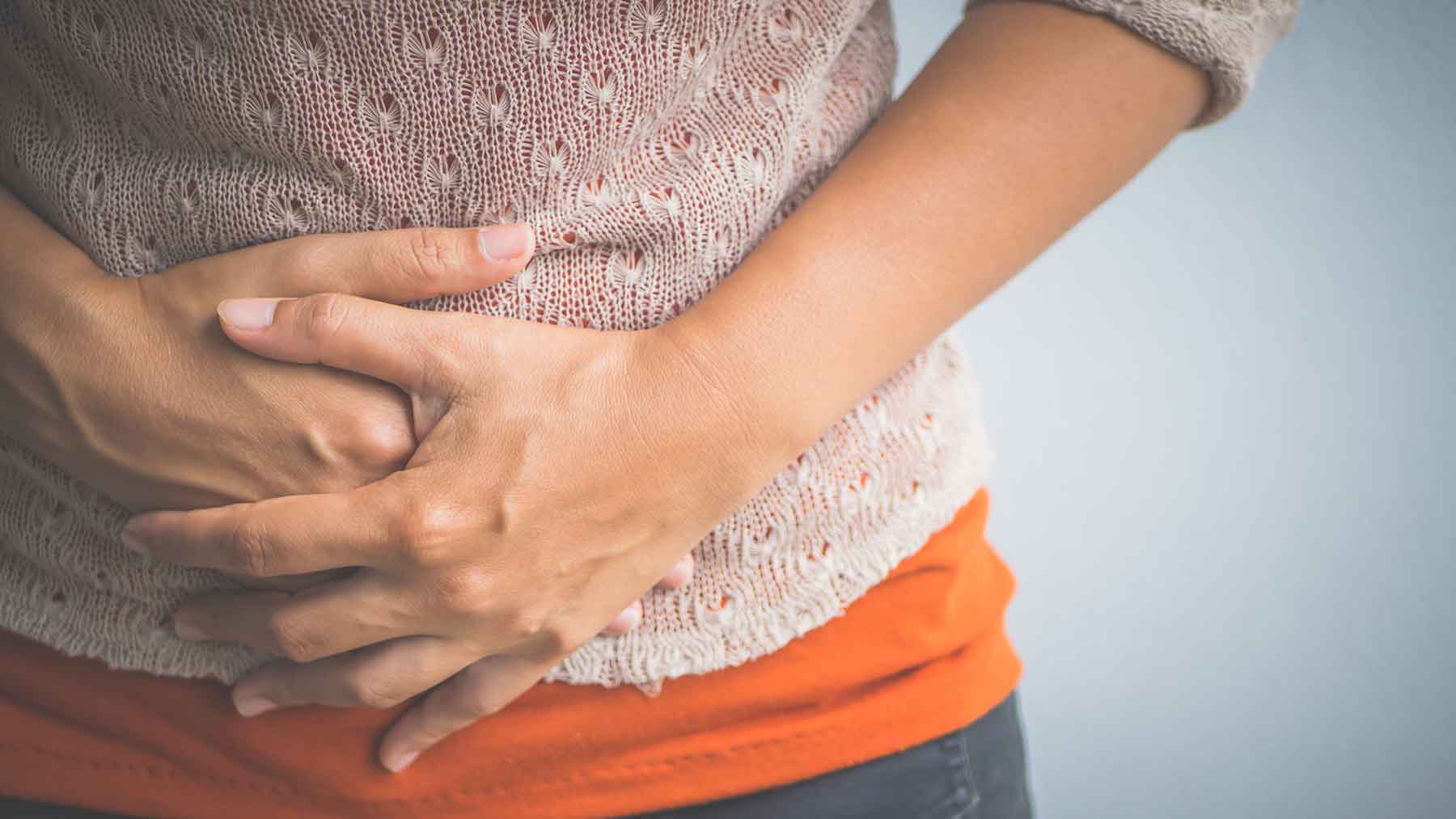
Kidney stones or nephrolithiasis are hard deposits made of minerals and salts that form in one or both kidneys and can affect any part of your urinary tract from the kidneys to the bladder. There are many causes and factors that contribute to the formation of kidney stones. While moving, a kidney stone can pass through the ureter causing little or no pain, but in many cases it can be very painful and may get stuck while moving. If not recognized in time, it can cause permanent consequences. More severe cases can also occur if a kidney stone gets stuck in the kidney or ureter, which then leads to a urinary infection, dilation of the urinary tract and the collecting system of the kidney itself (hydronephrosis), and causes other complications that may lead to surgery.
Cause of kidney stones
They are considered to occur when your urine contains more crystal-forming substances (oxalates and uric acid) than the fluid in your urine can dilute. You are also more likely to develop kidney stones if you do not drink enough water and other fluids. Kidney stones vary in size during formation (like a grain of sand or as large as a pea) and shape (smooth or jagged).
Symptoms
A kidney stone may not cause symptoms until it starts moving around in your kidney or passes into your ureter (the urinary tube that leads from the kidney to the bladder).
The symptoms you may then feel are
- Severe pain in the back (below the ribs)
- Pain that spreads to the lower abdomen and groin (men may have pain in the testicles)
- Pain that comes in intervals with the same intensity (severe pain that comes and goes)
- Pain during urination
- Pink, red, or brown urine
- Cloudy and foul-smelling urine
- Nausea and vomiting
- Urinating more often than usual
- High fever and chills if an infection is present
- Urinating small amounts
Risk factors
Risk factors for developing kidney stones are:
- Positive family or personal history of kidney stones
- Dehydration (if you do not drink enough fluids every day)
- Diet (a diet high in protein, sodium, and sugar)
- Obesity
- Digestive diseases and surgeries
- Other medical conditions (cystic kidney diseases, cystinuria, renal tubular acidosis, GOUT, hypercalciuria, hyperuricosuria, hyperoxaluria, hyperparathyroidism, certain medications, and some urinary tract infections).
Prevention
The best way to prevent kidney stones is constant hydration, i.e. drinking plenty of water every day so that you do not become dehydrated (try to drink up to 3 liters of fluids during the day)
We also advise you:
- drink as much water as you can
- add fresh lemon juice to water
- avoid carbonated drinks
- do not eat too much salt
Diagnostics
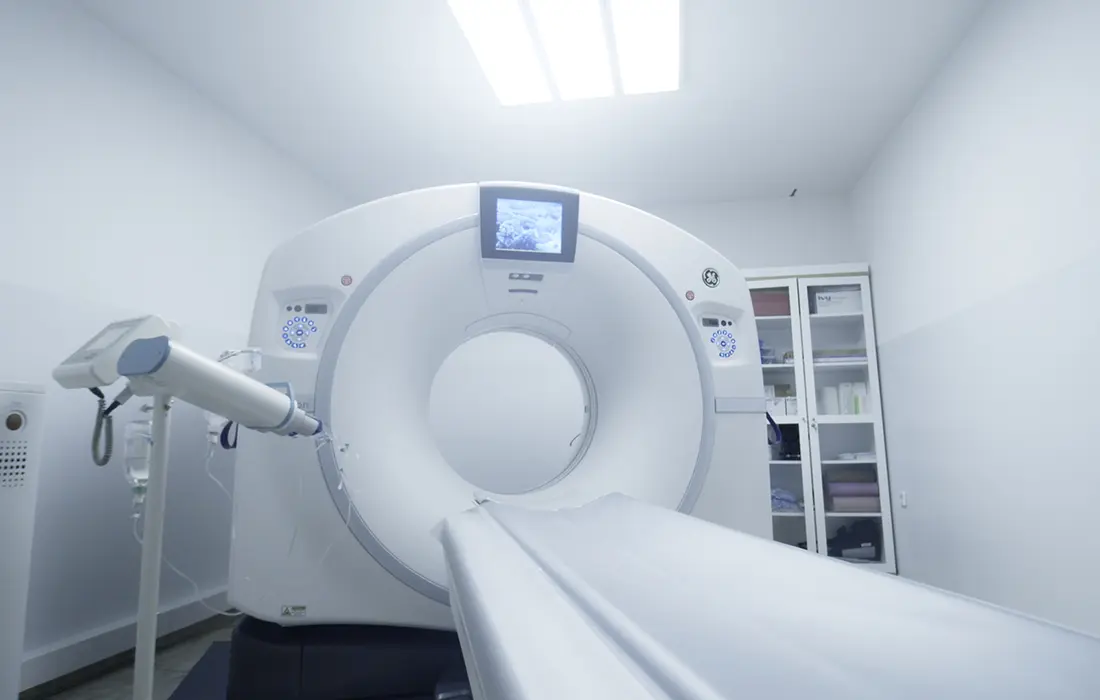
If a kidney stone is suspected, adults should have an ultrasound, but an even more detailed diagnostic test is CT urography or a “low dose” CT protocol for nephrolithiasis (a CT during which you receive ultra-low doses of radiation). Pregnant women must not undergo examinations where they are exposed to x-rays, so they should have an ultrasound examination.
Treatment
Smaller stones usually do not require hospital treatment, and therapy can be very simple, which is to take painkillers and drink plenty of fluids (tea, water). If the stones are large and cannot be resolved with the previously mentioned therapy, they are usually removed by surgery.
The main types of surgery for removing a stone from the kidney are:
- shock wave lithotripsy (SWL)
- ureteroscopy
- percutaneous nephrolithotomy (PCNL)
Your type of surgery will depend on the size and position of your stone.
With us, you can have:
Kidney, urinary tract, and bladder ultrasound
CT protocol for nephrolithiasis
Nephrologist/urologist examination
Excerpt from the price list:
| CD karotida | 90.00 € |
| UZV i CD karotida i VBS | 100.00 € |
| Color doppler karotida + VB sliva + transkranijski dopoler | 150.00 € |
| Color Doppler abdomena | 100.00 € |
| Color Doppler nogu (vena ili arterija) | 90.00 € |
| Color Doppler nogu (vene i arterije) | 110.00 € |
| Color Doppler ruku | 90.00 € |
| UZV abdomena | 80.00 € |
| UZV dojki | 95.00 € |
| UZV koljena | 80.00 € |
| UZV lokomotornog sustava | 80.00 € |
| UZV površinskih struktura | 75.00 € |
| UZV prostate (TRUS) | 75.00 € |
| UZV ramena | 80.00 € |
| UZV skočnog zgloba | 75.00 € |
| UZV šake | 80.00 € |
| UZV štitnjače i struktura vrata | 70.00 € |
| UZV štitnjače i uzv vođena citološka punkcija | 160.00 € |
| UZV urotrakta | 80.00 € |
| UZV penisa | 100.00 € |
| Color Doppler penilnih arterija | 150.00 € |
| UZV testisa | 75.00 € |
| UZV testisa i color dopler | 90.00 € |
| FUZIJSKA CILJANA BIOPSIJA PROSTATE | 350.00 € |
| FUZIJSKA CILJANA BIOPSIJA PROSTATE u sedaciji | 450.00 € |