Densitometry – who should test bone density?

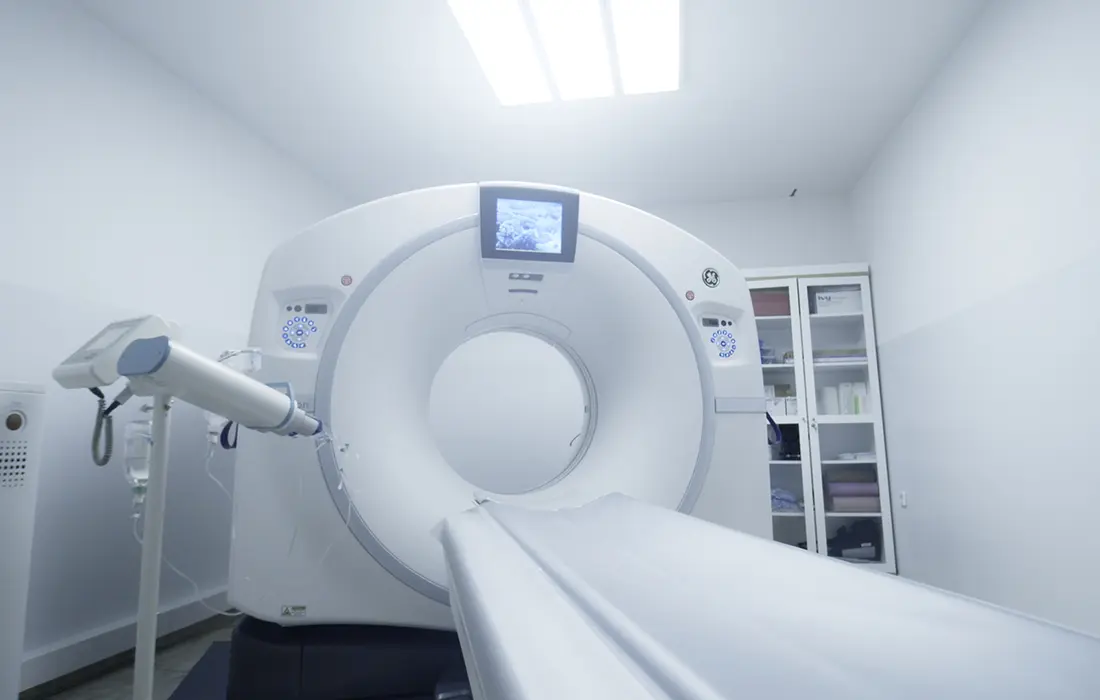
Densitometry is a radiological examination used to assess the mineral content of bones. Based on the findings, bone mineral density is calculated.
This examination is used in the diagnosis of osteoporosis and other conditions that cause bone loss.
Who should undergo densitometry?
Your doctor will refer you for this examination if they suspect that your bones are becoming more fragile (their density is decreasing) due to a certain condition.
This examination is recommended for:
- women in menopause (due to a lack of estrogen)
- patients who must take medications that cause a decrease in bone density
- smokers
- people with clinical conditions associated with bone damage
- people who have type 1 diabetes
- patients with liver or kidney diseases or a family history of osteoporosis
- people who have problems with the thyroid gland
- people who have reduced physical activity
- people who suffer from eating disorders that cause reduced body weight
- people who suffer from rheumatoid arthritis
What does the examination look like?
During densitometry, we use a small dose of ionizing radiation. The examination lasts only 15-20 minutes and does not hurt at all.
Densitometry is a non-invasive examination and is the most precise method for determining bone density.
After the examination, our specialist doctor will comment on your examination results and create a treatment plan. Bone deterioration can be stopped with an appropriate diet, medication, and regular physical activity.
How to prepare for densitometry?
This examination does not require special preparation. You only need to wear comfortable clothing without clasps or metal fasteners. Before the examination itself, you may eat normally and take your medications.
If you would like to get information about this examination or book it, fill out the contact form or call us at 01 2321 970.
You can view the prices of all our examinations in our price list.
Excerpt from the price list:
| Dijagnostika osteoporoze | 55.00 € |