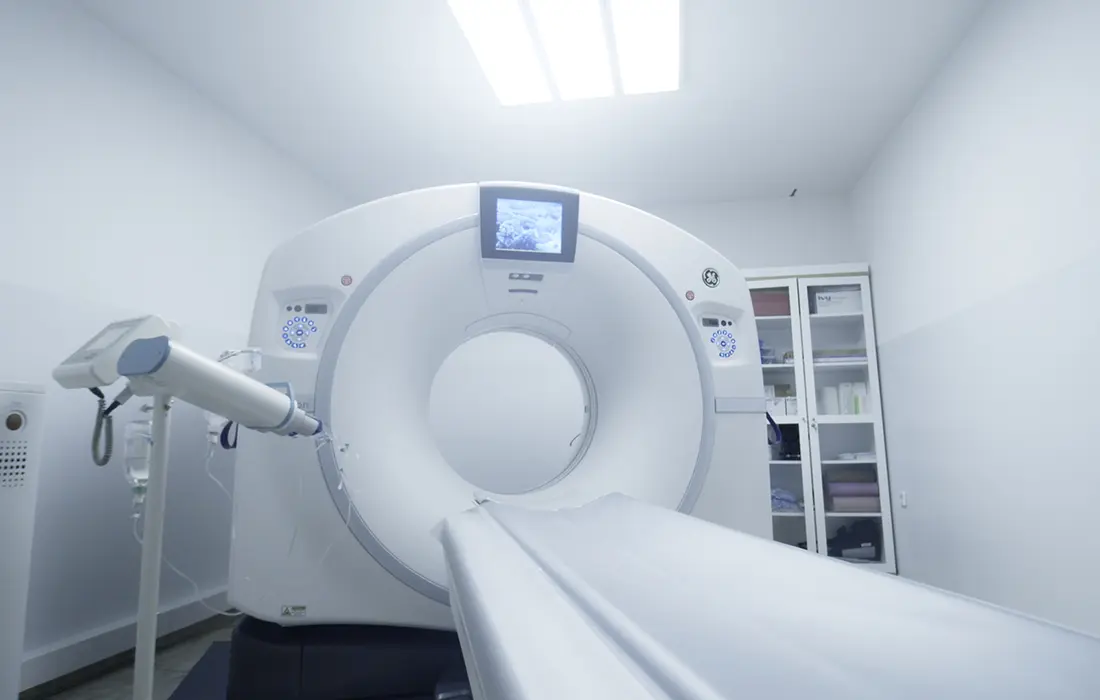
Symptoms of osteoarthritis: how to recognize the first signs and when to see a doctor


Osteoarthritis is one of the most common joint diseases affecting millions of people worldwide. It is a degenerative disease in which gradual wear of the joint cartilage occurs, which over time can cause pain, stiffness, and reduced mobility. Although osteoarthritis is most commonly associated with aging, it can also occur in younger people, especially if there are risk factors such as injuries, excessive body weight, or genetic predisposition.
That is why it is important to recognize the symptoms of osteoarthritis in time and seek professional help. Early detection of the disease can significantly slow its progression and improve quality of life.
What is osteoarthritis?
Osteoarthritis is a chronic joint disease in which gradual damage to the joint cartilage occurs. Cartilage acts as a cushion between the bones, and when it begins to wear down, the bones start rubbing against each other, causing pain and inflammation.
It most commonly affects large joints such as:
- knees
- hips
- shoulders
- spine
- joints of the hands and feet
The disease usually progresses slowly, and the first signs are often ignored or attributed to fatigue and strain.
Most common symptoms of osteoarthritis
Recognizing the early signs of the disease is key to timely treatment. The most common symptoms of osteoarthritis include:
Joint pain
Pain is the most common symptom of osteoarthritis. At first, it occurs after physical activity or prolonged strain on the joint, while in later stages it may also be present at rest.
Joint stiffness
Many patients notice joint stiffness, especially in the morning or after prolonged rest. This stiffness usually lasts a few minutes, but it can become more pronounced as the disease progresses.
Reduced mobility
As the cartilage wears down, joint mobility becomes increasingly limited. Simple daily activities such as walking, bending the knee, or raising the arms can become difficult.
Joint swelling and tenderness
Inflammatory changes in the joint can cause swelling, warmth, and tenderness to the touch. Sometimes a feeling of pressure may also appear in the affected area.
Grinding or cracking in the joint
When moving the joint, cracking or grinding may be heard or felt. This symptom occurs due to changes on the surface of the cartilage and bone.
How is osteoarthritis diagnosed?
If you notice symptoms that may indicate osteoarthritis, it is important to undergo a professional examination. Diagnosis usually includes several steps.
Clinical examination
The doctor will first talk with the patient about the symptoms, duration of the complaints, and daily activities. During the examination, joint mobility, pain, and any deformity are assessed.
Radiological examinations
X-ray imaging is most commonly used, which can show narrowing of the joint space, bone spurs, and other changes characteristic of osteoarthritis.
In some cases, the doctor may also recommend additional tests such as:
- joint ultrasound
- magnetic resonance imaging (MRI)
- laboratory findings
The goal of diagnosis is to confirm the diagnosis and rule out other joint diseases.
How is osteoarthritis treated?
Although osteoarthritis cannot be completely cured, timely treatment can significantly reduce symptoms and slow the progression of the disease.
Conservative treatment
In the early stages of the disease, non-invasive treatment methods are often used, such as:
- physical therapy
- exercises to strengthen the muscles around the joint
- weight reduction
- medications for pain and inflammation
Regular physical activity and properly guided exercises can help preserve mobility and reduce pain.
Injection therapies
In some cases, therapeutic joint injections are also used, for example hyaluronic acid or other biological therapies that can help reduce pain and improve joint function.
Surgical treatment
When conservative methods no longer bring improvement, the doctor may recommend surgical procedures. This most commonly involves the implantation of an artificial joint (endoprosthesis), especially in severe osteoarthritis of the hip or knee.
When should you see a doctor?
Many people ignore the first signs of the disease and postpone an examination. However, if you notice joint pain that lasts for a longer period, morning stiffness, or reduced mobility, it is recommended to see a doctor.
Early diagnosis enables timely treatment and can significantly slow the progression of the disease.
Conclusion
The symptoms of osteoarthritis often develop gradually and may be mild at first, but over time they can significantly affect quality of life. Joint pain, stiffness, reduced mobility, and swelling are the most common signs indicating this degenerative disease.
Timely diagnosis and properly selected therapy are key to relieving symptoms and preserving joint function. If you notice the first signs of osteoarthritis, it is important to seek professional advice and start treatment on time.
Book an appointment today and take the first step toward healthier and more mobile joints.
Author: Martin Drinković, MD