CARDIOLOGY


Preparation, safety and notes – Polyclinic Drinković
Cardiological diagnostics at Drinković Polyclinic include clinical examinations, electrocardiographic and ultrasound examinations, functional stress testing, long-term monitoring of heart rhythm and blood pressure, as well as cardiac magnetic resonance imaging. Preparation depends on the type of examination.
GENERAL NOTES (APPLY TO ALL CARDIOLOGICAL EXAMINATIONS)
- It is recommended to arrive for the examination 10–15 minutes earlier
- Bring all available cardiological documentation (findings, ECG, ultrasound, discharge letters)
- Bring a list of regular therapy
- Do not discontinue therapy, unless explicitly agreed otherwise
- If you have acute symptoms (pain in the chest, shortness of breath, dizziness), contact a doctor immediately
SPECIALIST CARDIOLOGICAL EXAMINATIONS
Specialist cardiological examination
Follow-up cardiological examination
Consultations
- No special preparation
- The examination includes medical history, clinical status, and a plan for further evaluation
ELECTROCARDIOGRAPHY AND ULTRASOUND
ECG
- No special preparation
- Clothing that allows easy access to the chest is recommended
Examination + ECG
- No special preparation
- Take therapy as usual
Cardiac ultrasound (echocardiography) + ECG
- No special preparation
- The examination is painless and non-invasive
COMPLETE CARDIOLOGICAL EXAMINATION
- Includes a clinical examination, ECG, and cardiac ultrasound
- No special preparation
- It is recommended to bring all previous documentation
LONG-TERM MONITORING
Holter ECG (24-hour monitoring)
- On the day of placement, do not apply creams or lotions to the chest
- During use, maintain usual daily activities
- Keep a diary of symptoms and activities
- The device must not get wet
Holter BP (24-hour blood pressure monitoring)
- No special preparation
- During measurement, live according to your usual routine
- Avoid more intense physical exertion
- Keep a diary of activities and symptoms
STRESS TEST
- A light meal at least 2–3 hours before the examination
- Do not smoke for at least 2 hours before the test
- Wear comfortable sports clothing and footwear
- Do not discontinue therapy, unless the cardiologist decides otherwise
- The test is carried out under continuous medical supervision
CARDIAC MAGNETIC RESONANCE IMAGING
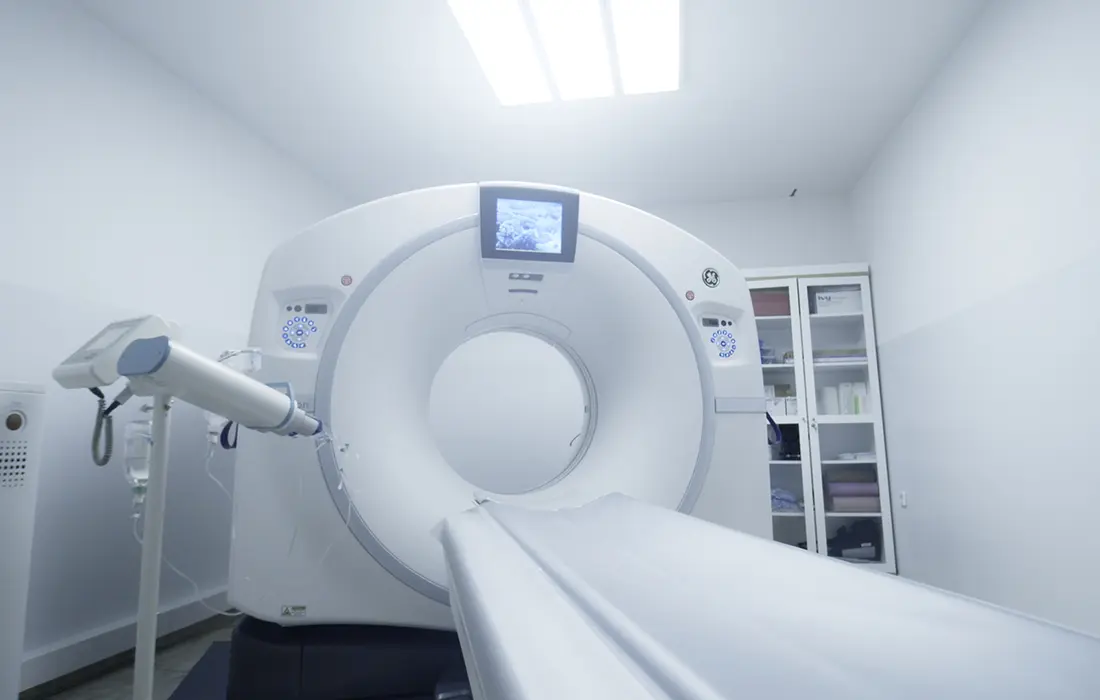
Cardiac MRI
- A light meal up to 4 hours before the examination
- Avoid caffeine on the day of the examination
- Be sure to emphasize:
- implanted devices or pacemaker
- claustrophobia
- allergies
- kidney history
- The examination is carried out according to the MRI safety protocol
SAFETY AND IMPORTANT NOTES
- ECG, ultrasound, and Holter examinations do not use ionizing radiation
- Ergometry and cardiac MRI are performed with a clear indication and supervision
- Each examination is adapted to the individual clinical condition of the patient
IMPORTANT NOTE
If you are not sure whether you need to discontinue therapy or have additional questions related to preparation for a cardiological examination or test, please emphasize this already when booking. Our team will provide you with clear and individual instructions.